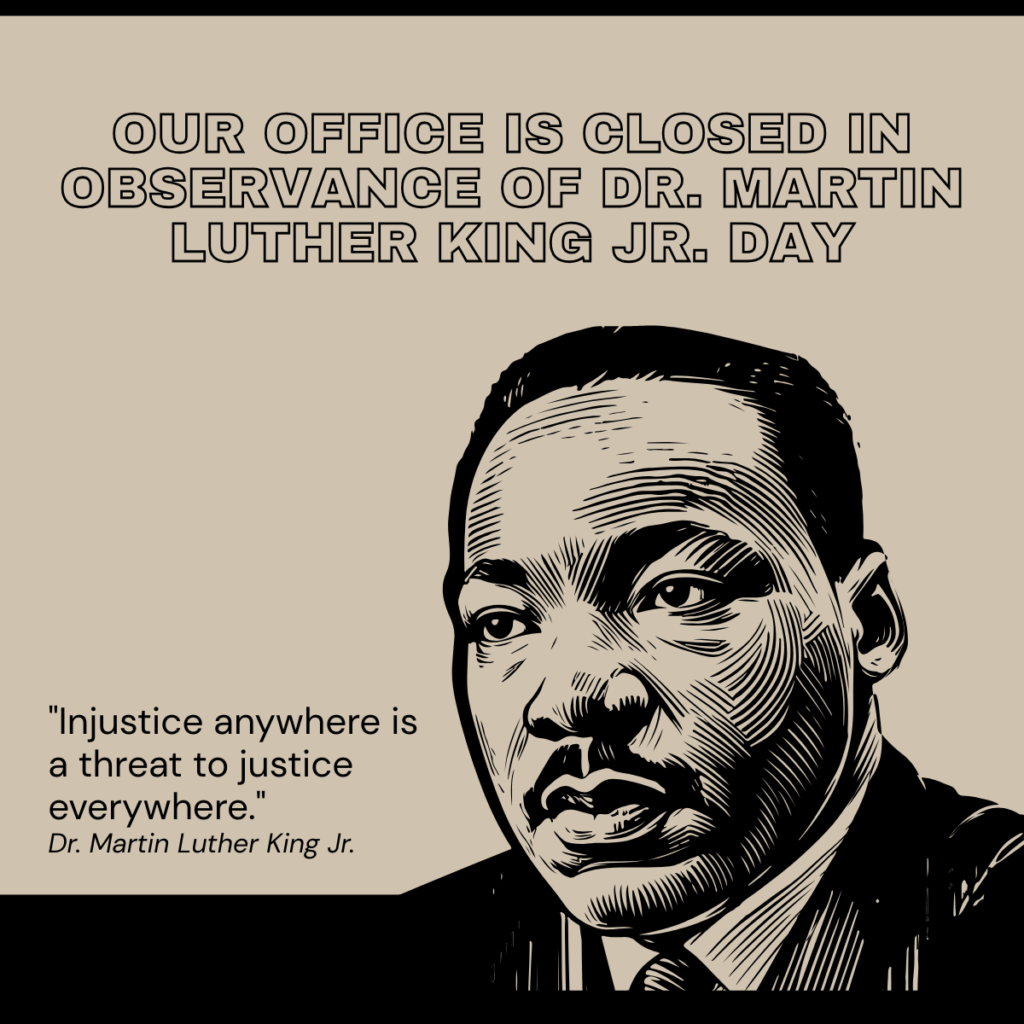
January 23, 2024
Beneficial ownership information reporting refers to the process of disclosing and documenting the individuals who ultimately own or control a legal entity, such as a company.


Beneficial ownership information reporting refers to the process of disclosing and documenting the individuals who ultimately own or control a legal entity, such as a company.

Trademarks are distinctive symbols, names, phrases, logos, or other devices used to identify and distinguish products or services of a particular source from those of others.
Copyright protects original works of authorship fixed in a tangible medium of expression. While copyright law provides broad protection, it doesn't extend to ideas, facts, systems, or methods of operation.
There are three main types of patents in the United States: utility patents, design patents, and plant patents. Each type of patent serves a different purpose and protects different aspects of inventions.
Intellectual property (IP) is a crucial aspect of modern business and innovation. It comprises several types, including patents, trademarks, copyrights, and trade secrets. These different forms of IP provide a framework for protecting unique and valuable creations.

Business credit refers to a company's creditworthiness and its ability to borrow money or obtain goods and services on credit. It is distinct from personal credit, which is based on an individual's financial history and creditworthiness. Business credit is associated with a business entity and is used by lenders, suppliers, and other creditors to evaluate the company's ability to fulfill its financial obligations.

There are several types of business entities, each with its own advantages, disadvantages, and legal implications.

Many states have state statutes that mandate organizations to register with the state before soliciting contributions from its residents, with some exemptions applying to certain organizations. The registration typically involves providing information about the organization's mission, financial practices, and how it intends to use the funds raised. The purpose of this registration is to ensure transparency and accountability in the fundraising process, protecting donors and the public from...